Like many of us, Jeff’s journey started with a realization that something in life was deficient. Despite years of faithful living, he found himself lacking the practical skills to provide for his family from the land – the kind of knowledge his grandparents took for granted.
That gap sent Jeff on a decade-long training journey:
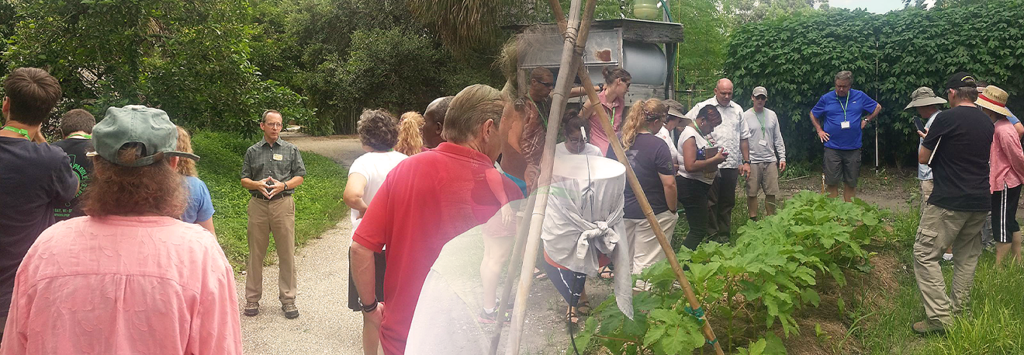
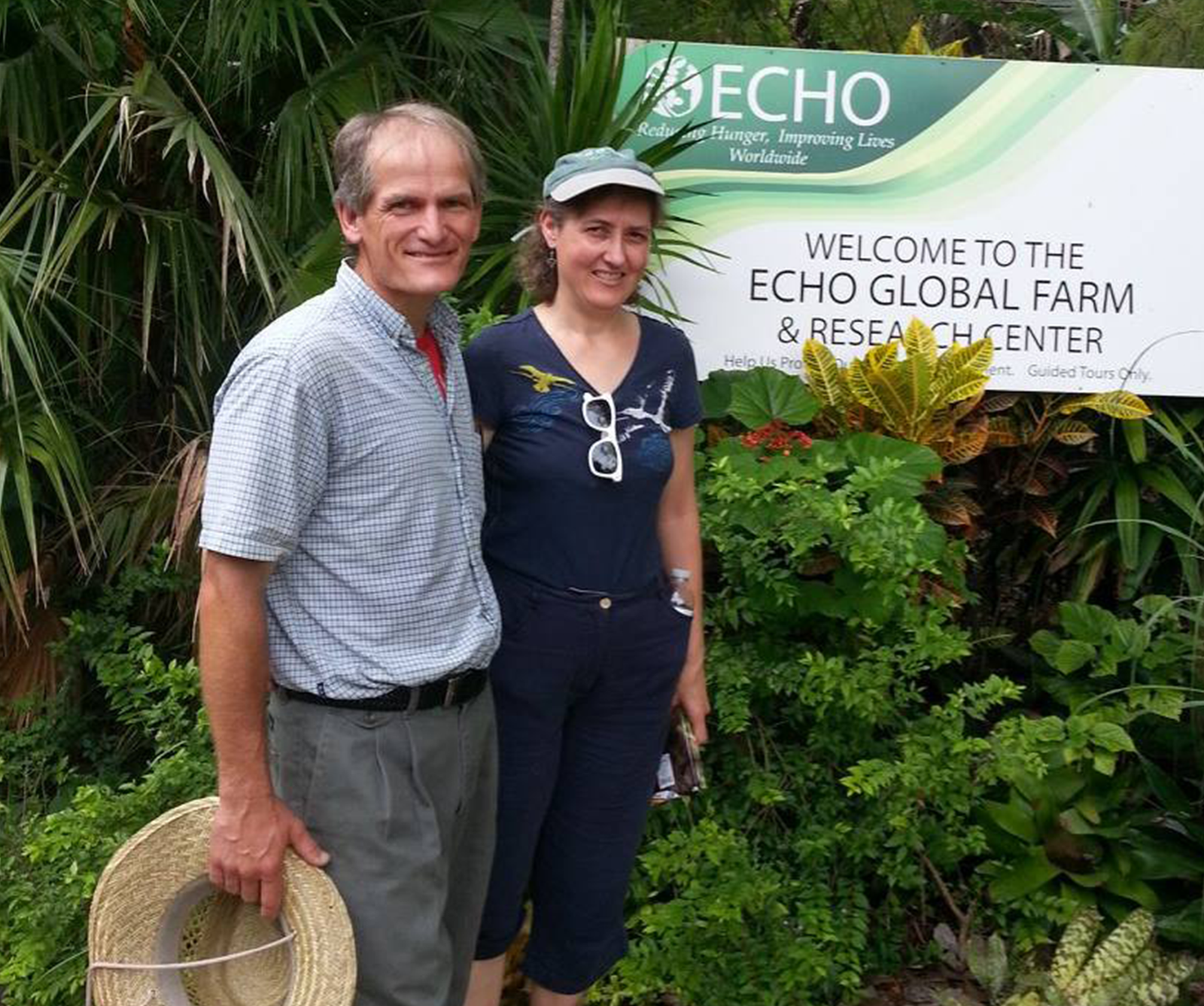
ECHO Tropical Agricultural Development Course (Fort Myers, FL), learning food production systems
designed for challenging environments aiming toward community development in the global south.
ECHO Tropical Agricultural Development Course (Fort Myers, FL), learning food production systems
designed for challenging environments aiming toward community development in the global south.
Joined the Backyard Growers Club,
diving deep into propagation and organic growing systems
Joined the Backyard Growers Club,
diving deep into propagation and organic growing systems
Well Watered Garden Project training (Alabama),
where the possibility of trauma healing through agriculture stirred and shaped further the Lord’s calling.
Well Watered Garden Project training (Alabama),
where the possibility of trauma healing through agriculture stirred and shaped further the Lord’s calling.
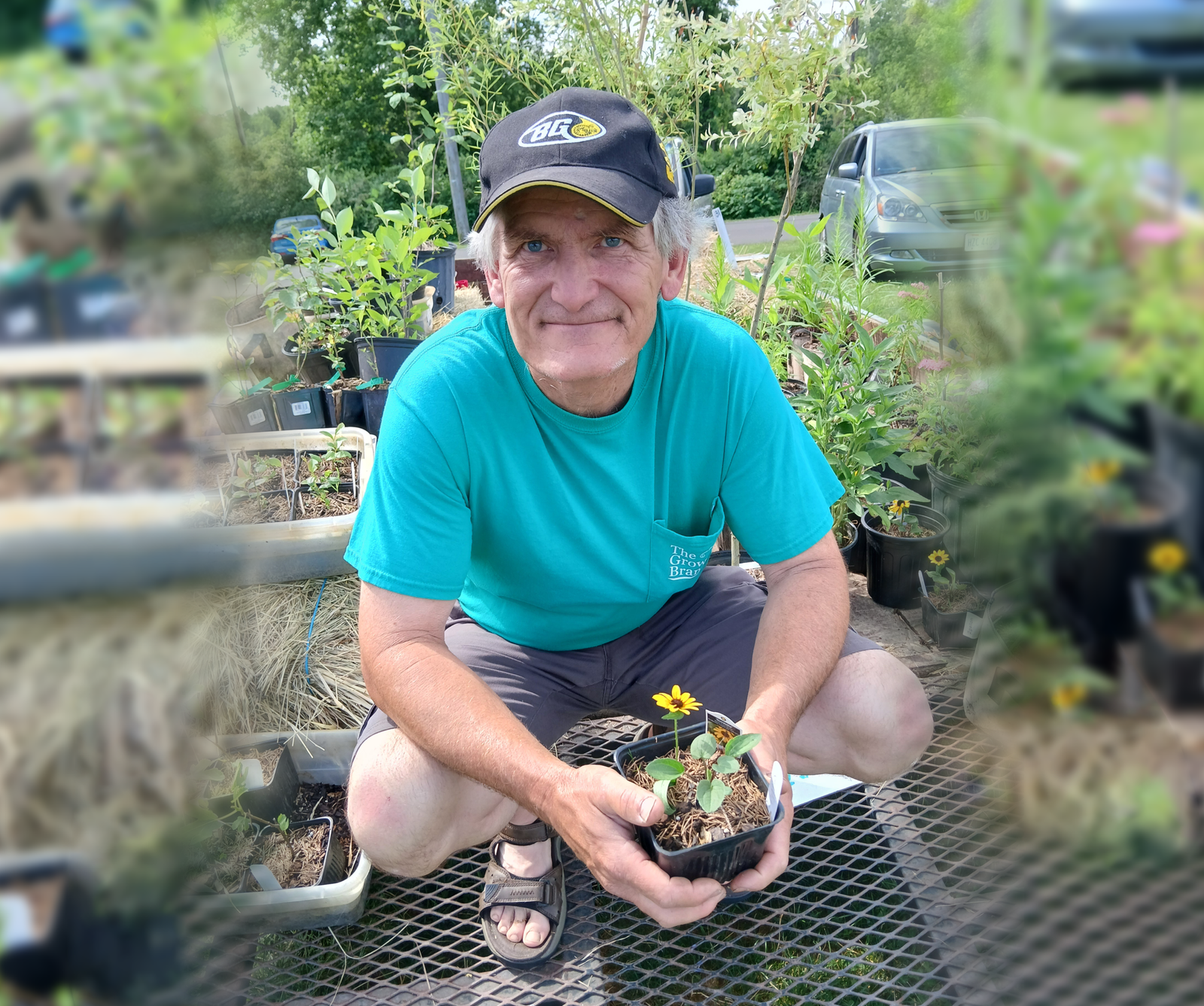
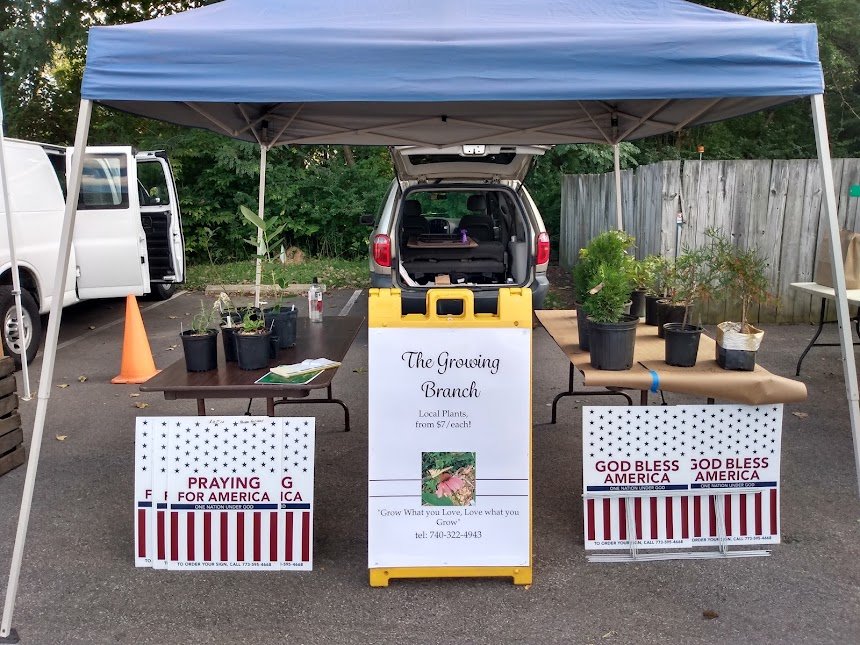
Along the way, two years of farmer’s market experience selling native perennials, figs, serviceberries, lavender, herbs, and brambles taught him that people are hungry – literally and spiritually – for connection to where their food comes from.
What Jeff discovered wasn’t just agricultural technique. It was a model: agriculture as a vehicle for restoration. The land heals people when people can work on healing the land. The populations society often discards – veterans, the homeless, those struggling with mental health, the recently released – find purpose and dignity through meaningful work growing food and working alongside the Creator in the Creation.
The Growing Branch exists to develop productive orchards and perennial food systems that serve both the community and the most vulnerable among us. It is a search for abundance without dysfunctional dependency.. It is not charity, rather restoration through participation.
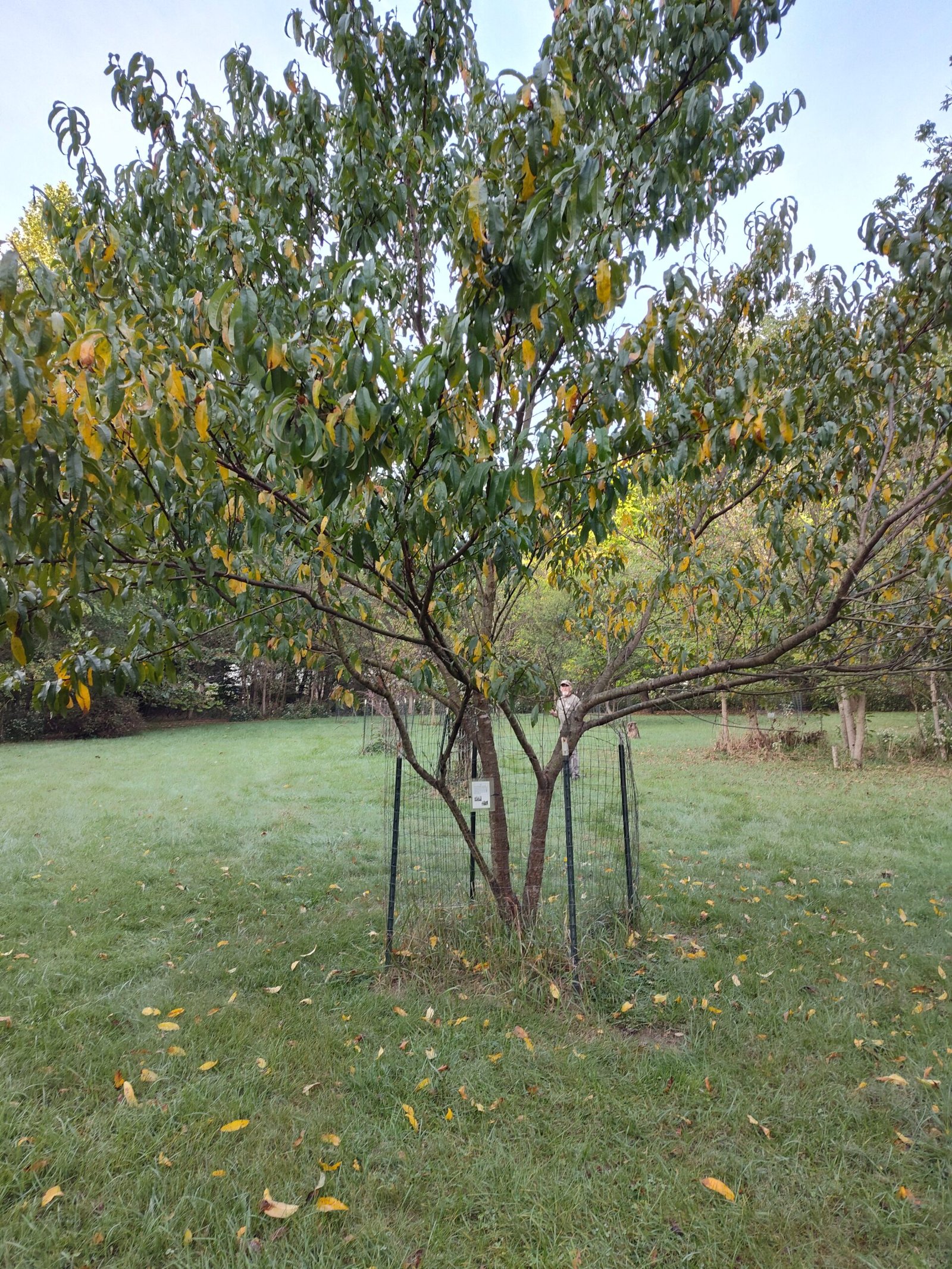
In late 2025, Jeff identified an opportunity: 16 acres of underutilized land at the TJ Evans Foundation property in Newark, Ohio, managed by Together We Grow (a local food security nonprofit). The property included roughly 10 fruit trees – apple, plum, cherry, peach, and kiwi – planted approximately four years ago but largely neglected since.
Jeff proposed a partnership: The Growing Branch would rehabilitate and professionally manage the orchard at no cost to TWG, eventually developing a U-pick operation that serves the public while creating work opportunities for service populations.
As of early 2026, the partnership is active. Trees are being pruned. The vision is taking root.
Jeff is building The Growing Branch using the four revenue streams framework – multiple income sources that reinforce each other and build toward sustainable family farm ministry.

Active

Developing

Planned

Planned
Jeff is building The Growing Branch using the four revenue streams framework – multiple income sources that reinforce each other and build toward sustainable family farm ministry.

Active

Developing

Planned

Planned
Local Food Heroes is a program of Tye’s House (501c3) localfoodheroes.org | tyeshouse.org
Local Food Heroes is a program of Tye’s House (501c3)
localfoodheroes.org | tyeshouse.org
This material is based upon work supported by the National Institute of Food and Agriculture, U.S. Department of Agriculture, through the Northeast Sustainable Agriculture Research and Education program under subaward number CNE25-001.
Any opinions, findings, conclusions, or recommendations expressed in this publication are those of the author(s) and do not necessarily reflect the view of the U.S. Department of Agriculture.