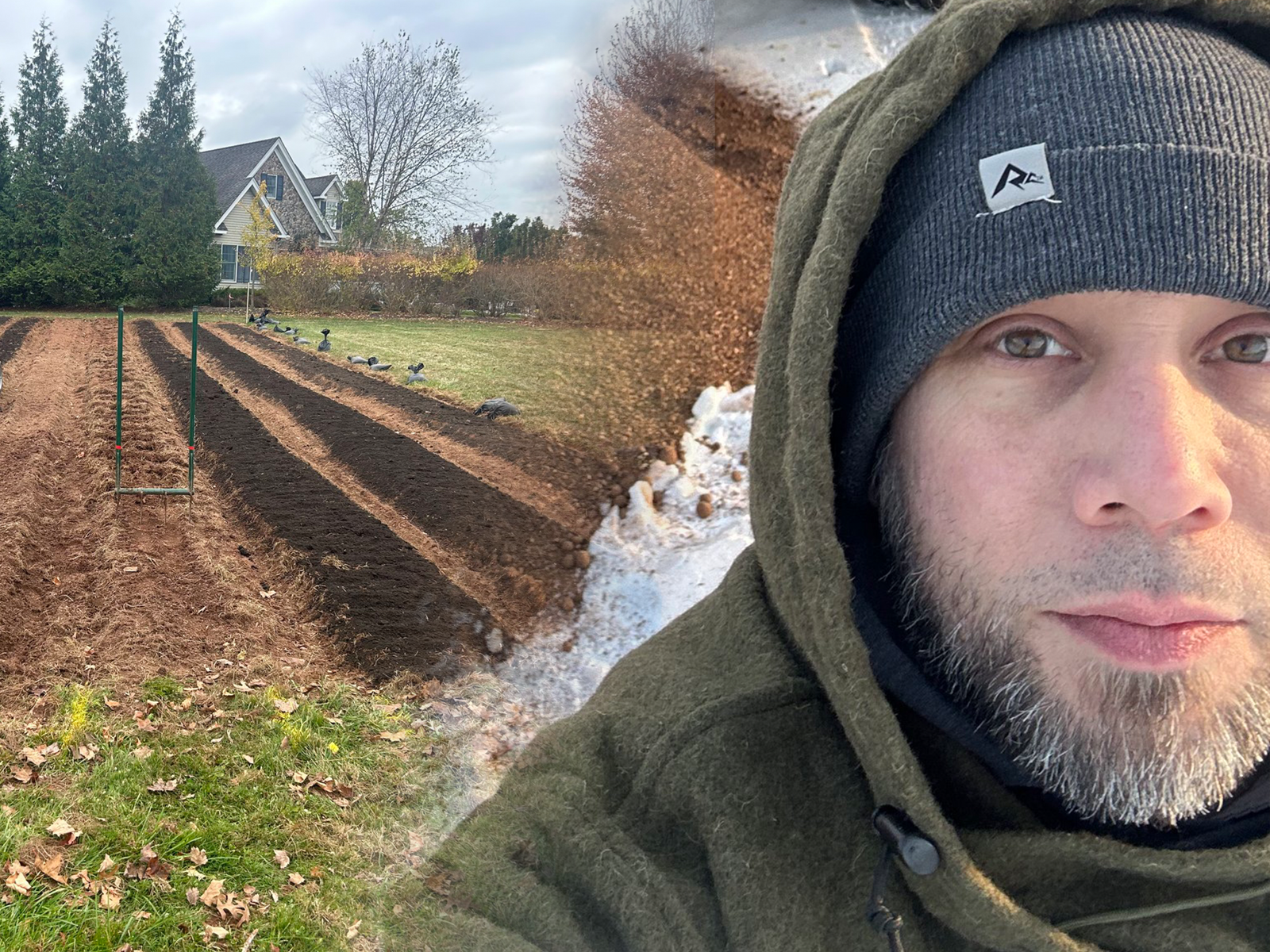
Like a lot of families, we reached a moment where the life we were building stopped making sense. COVID accelerated what was already unraveling — a series of losses that stripped away the noise and left us asking harder questions than we’d been willing to ask before. What came out of that wasn’t a plan. It was a calling. And an honest realization that we didn’t have the practical skills to answer it. We didn’t know how to grow food. We didn’t know how to provide from the land. For a family beginning to understand what it meant to live differently — intentionally, on purpose — that gap felt urgent in a way we couldn’t ignore.
So we started learning, the way you have to when nobody around you is doing what you’re trying to do. Wilderness survival schools. Native food forests and indigenous land practices. Permaculture design. Then formal training through the Well Watered Garden Project in Alabama — where the connection between discipleship, practical service, and regenerative agriculture became something we couldn’t unsee. The Market Gardener Institute followed, giving us the production methodology to turn conviction into something that could actually work on a small piece of ground.
Along the way, two years of farmers market experience selling native perennials, figs, serviceberries, lavender, herbs, and brambles taught him that people are hungry – literally and spiritually – for connection to where their food comes from.
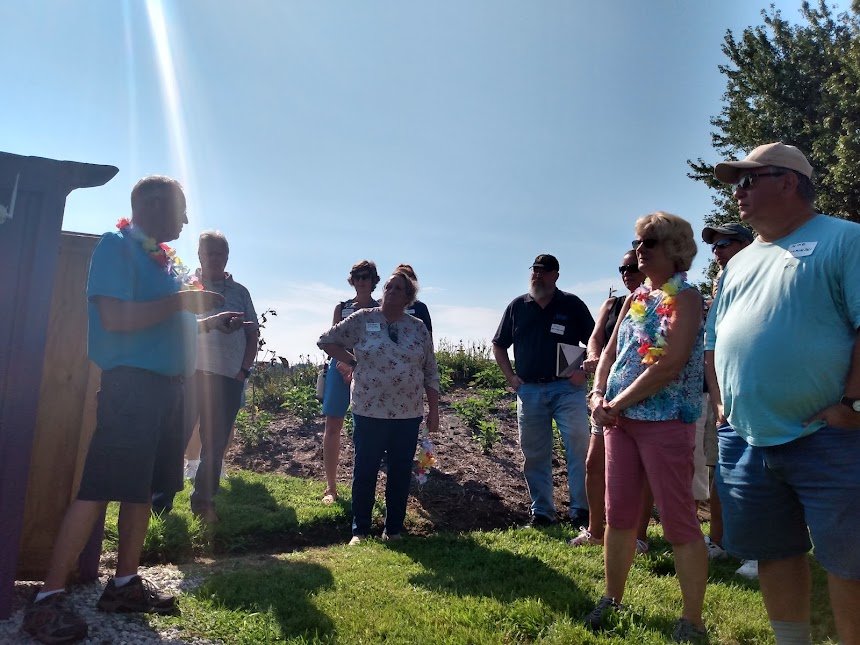
What we discovered wasn’t just technique. It was a way of life — faith, family, and farming woven into a single thing, not three separate categories competing for time. And we discovered a gap nobody in our community was filling. People want to grow food. They care about where it comes from. They’re already buying organic, already reading labels, already feeling the distance between themselves and the land that fed every generation before theirs. What’s missing isn’t more information. It’s someone willing to show up, work alongside their neighbors, and make it real. Someone their community can call.
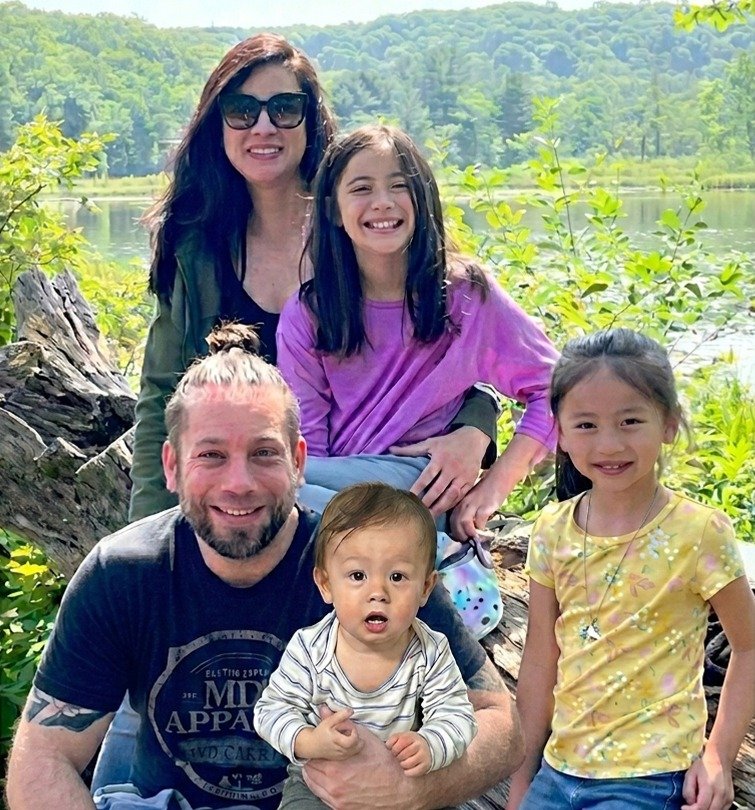
We built Tye’s House, Local Food Heroes, and Sweet Bulb before we built the farm — because the mission needed infrastructure before it needed acreage. But the farm is where the Slossberg family actually lives this out. Half our day is homeschooling our three kids on the property, teaching them to grow food the way their great-grandparents did before the industrial food system told everyone there was an easier way. The other half is the farm itself and the organizations it supports. This isn’t a side project. It’s our family’s whole life, organized around one conviction: communities are rebuilt one strong family at a time, and it starts with knowing how to feed yourself and your neighbor.
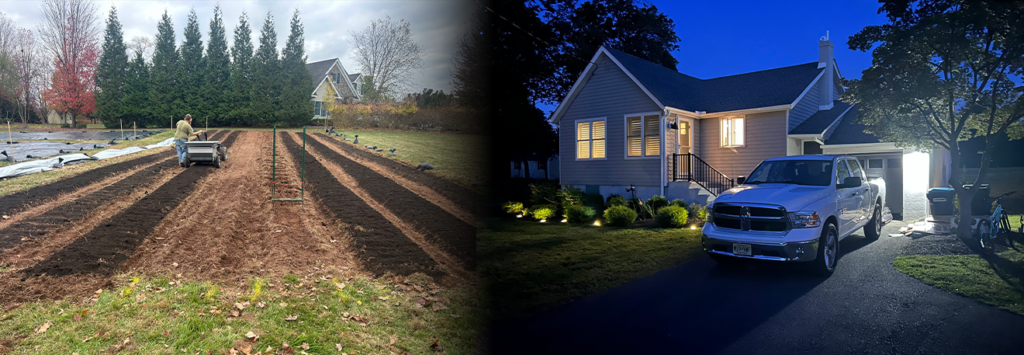
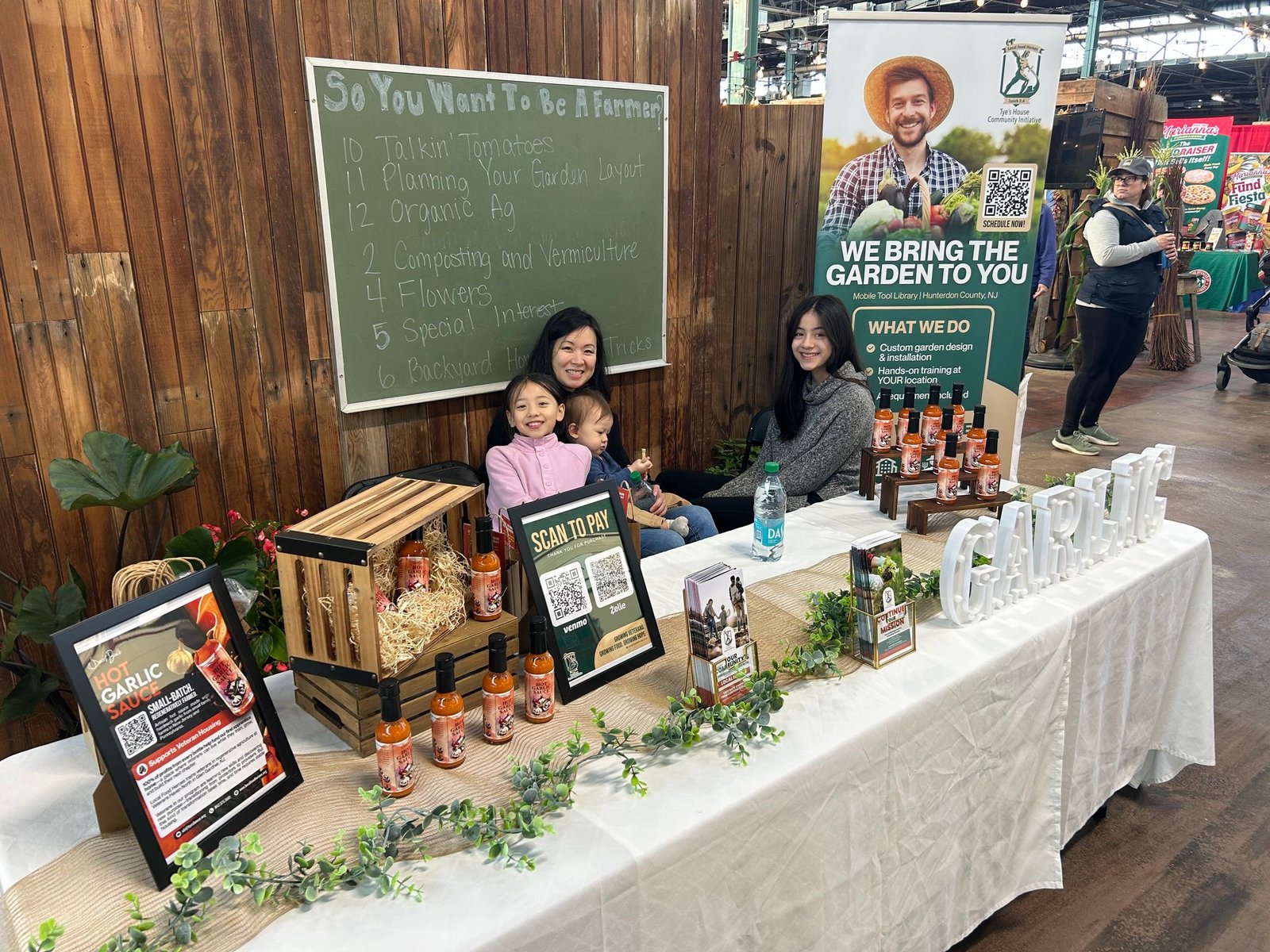
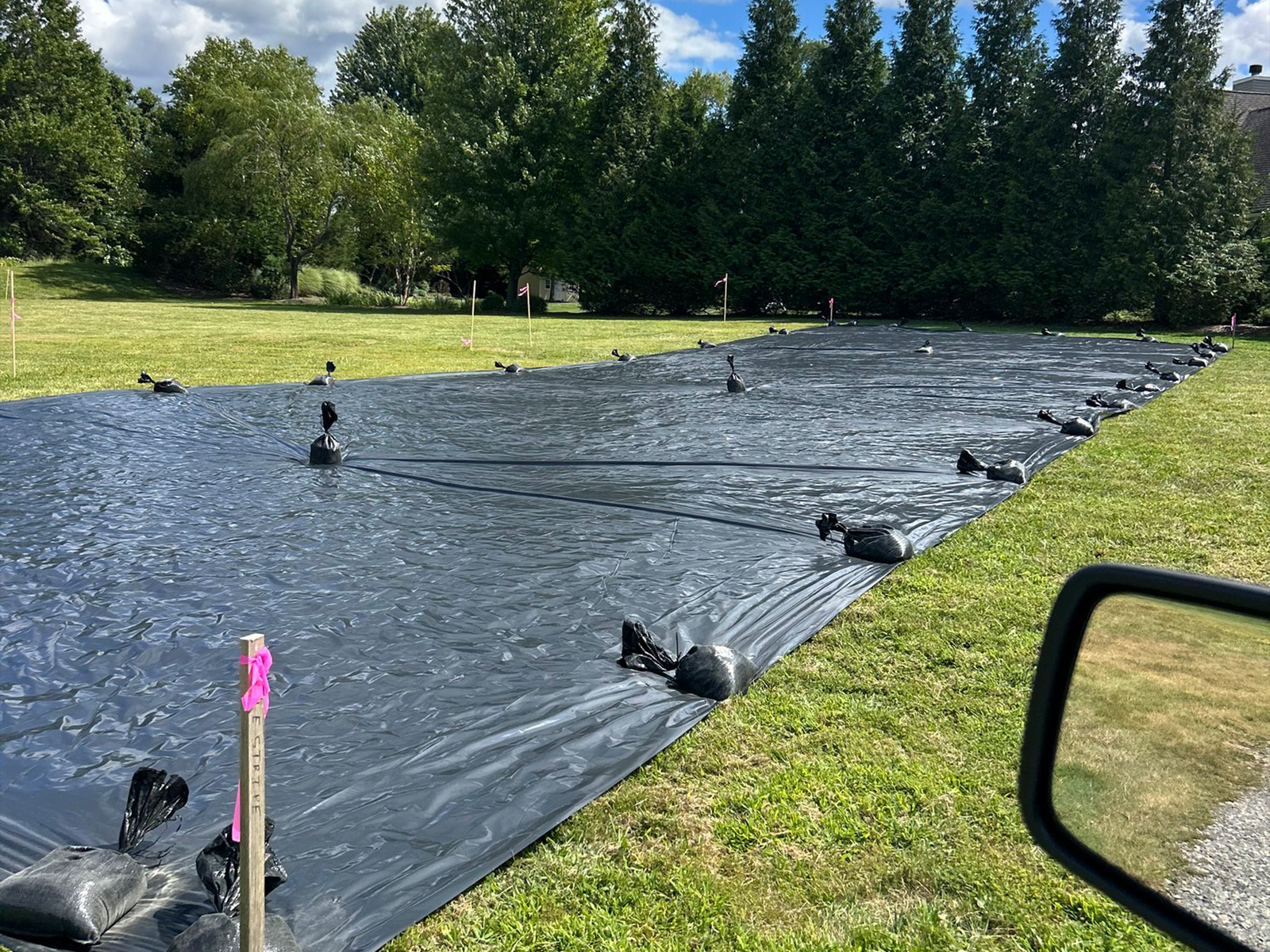
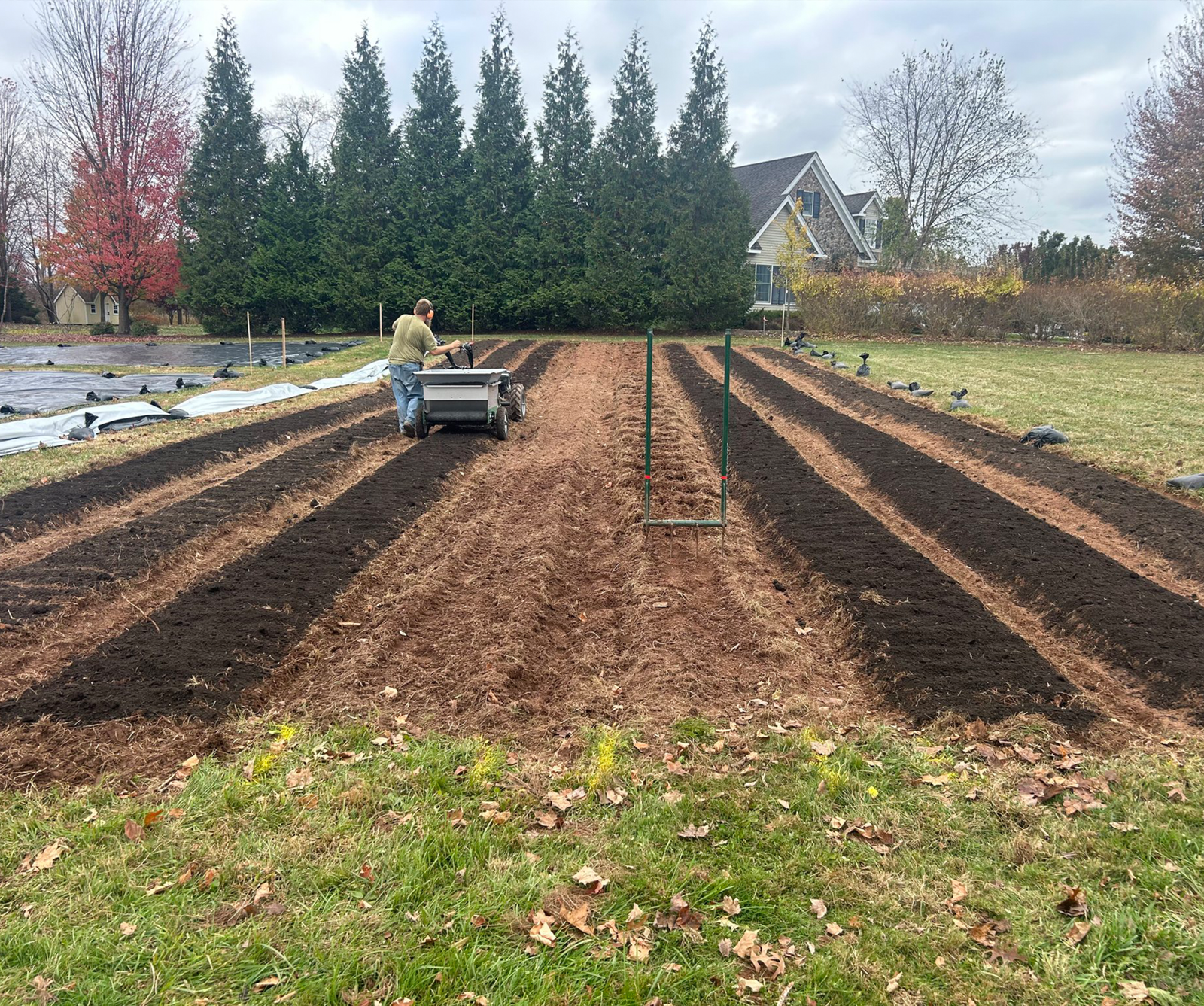
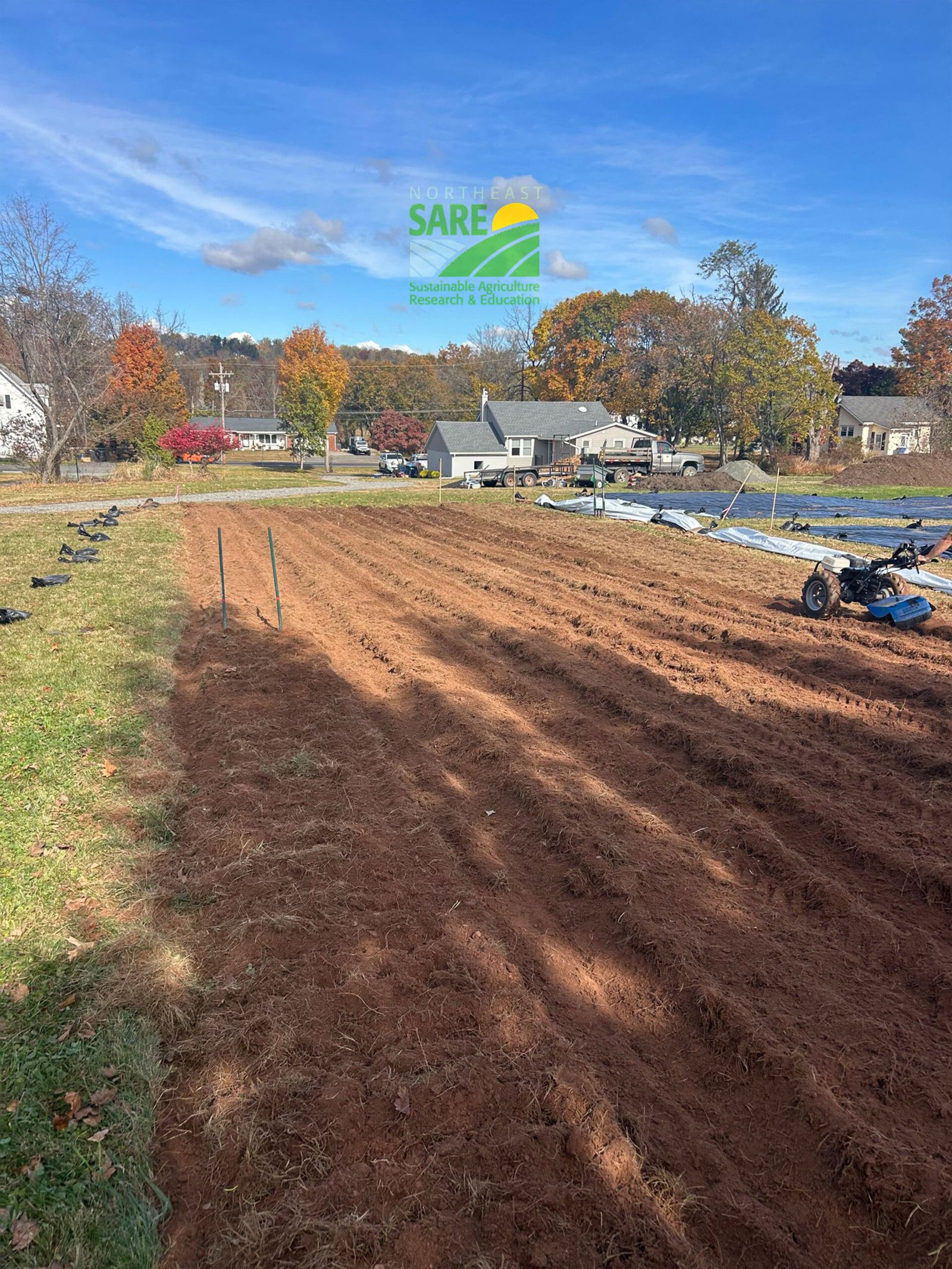
A $250,000 USDA Northeast SARE grant validated the market garden methodology at Veterans Haven North in Glen Gardner. Sweet Bulb Hot Garlic Sauce is already in the market, already funding the first apprentice housing unit. The Local Food Heroes Certified Coach program — training experienced farmers to become the professional implementation support their communities need — is in development under a second SARE grant proposal. The Farm at Leslie Court is not a concept. It’s the model being lived out in real time, on 1.4 acres, in a neighborhood in Flemington where anyone can walk over and see it.
Note: Tomatillos and green onions for the grant crop plan are grown at Veterans Haven North (Glen Gardner, NJ) in coordination with Lead Farmer Ron Mirante. Leslie Court and VHN operate as complementary sites under the same Local Food Heroes program.
Jeff is building The Growing Branch using the four revenue streams framework – multiple income sources that reinforce each other and build toward sustainable family farm ministry.

Developing

Active

Active

Developing
Jeff is building The Growing Branch using the four revenue streams framework – multiple income sources that reinforce each other and build toward sustainable family farm ministry.

Developing

Active

Active

Developing
The Farm at Leslie Court |
Local Food Heroes | Tye’s House
The Farm at Leslie Court |
Local Food Heroes |
Tye’s House
Local Food Heroes is a program of Tye’s House (501c3) localfoodheroes.org | tyeshouse.org
Local Food Heroes is a program of Tye’s House (501c3)
localfoodheroes.org | tyeshouse.org
This material is based upon work supported by the National Institute of Food and Agriculture, U.S. Department of Agriculture, through the Northeast Sustainable Agriculture Research and Education program under subaward number CNE25-001.
Any opinions, findings, conclusions, or recommendations expressed in this publication are those of the author(s) and do not necessarily reflect the view of the U.S. Department of Agriculture.